5K5G BLOG 5K5G Blog – IPTV Tips, Tech Updates & Streaming News
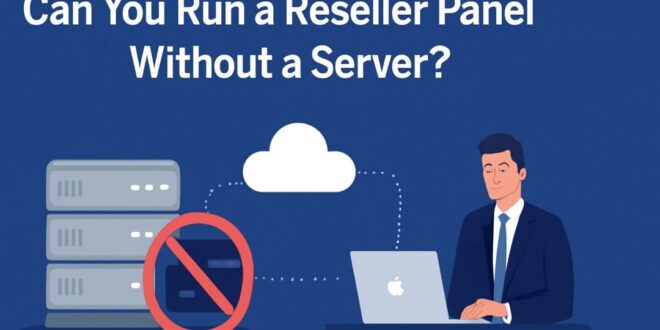
Can You Run a Reseller Panel Without a Server?
Can You Run a Reseller Panel Without a Server The explosive growth in the IPTV market has provided enormous opportunities for a would-be entrepreneur or small business owner in recent years. Becoming an IPTV reseller is probably the most popular and easiest way of stepping into the business. It is low entry, has minimal technical requirements, and there is even the possibility of generating residual income. The one question new entrants have in mind is: “Do I actually need to run my own server to operate a reseller panel?” To cut it short, NO, you do not need a server to run a reseller panel. But there’s more to it.
Website Link: https://bigoiptv.com/iptv-resaller-panel.php
Contact: +923096200005
In this article, we would discuss how IPTV reseller panels work, what role servers play in the IPTV ecosystem, and how the majority of resellers are able to run their businesses smoothly without the complexities of handling or maintaining a technical server setup. For anyone wishing to make easy money through the IPTV business, this is the read.
Understanding the IPTV Reseller Model
First, before delving into server requirements, it is critical to understand how an IPTV reseller model works. IPTV resellers, simply said, act as middlemen between the IPTV provider-the one who holds and streams the content and the end-user-the viewership. The reseller buys access to the reseller panel from the provider. With this, it has the ability to create user accounts, allow subscriptions, view users, and monitor available credits.
The reseller panel is like an advanced dashboard control. It will allow an administrative manner for creating and managing IPTV subscriptions- without having to get worried on how channels will deliver or stream or maintained at the back end. All of that heavy lifting is managed by provider: which brings us now towards the topic of servers.
What is a Server in IPTV Context?
These servers can support live TV channels or even store movies with extensive video-on-demand (VOD) libraries, along with the electronic program guide (EPG). They process real-time data, which results in delivering content to their users from anywhere in the world smoothly.
Usually, servers would be run and maintained by the IPTV provider. All that it has to deal with are high costs, constant monitoring, robust Internet connectivity, and expertise involving networking, load balancing, and content distribution.
Can You Be a Reseller Without Owning a Server?
Definitely, yes. The best part about the whole IPTV reseller business model is that you do not have to own or maintain any servers to run your reseller panel. All server management, streaming, uptime maintenance, software updates, and system security will be handled completely by the IPTV provider.
- As a reseller, your work focuses mainly on:
- Purchase credits from the provider
- Create and administer user accounts via reseller panel
- Installation and setup assistance to your customers
- Marketing and promotion of IPTV services
This means that IPTV services can be sold without investing in hardware or the technical staff needed to manage a data center. It’s one of the reasons people want to become resellers in order to get into digital TV without requiring huge upfront investments.
How the Reseller Panel Works Without a Server
Once you partner with a good IPTV provider and acquire a reseller panel, you will be able to manage users through a web interface. Here is the general process:
System Based on Credits: You buy credits from your provider; each credit represents a service unit (often one month of access) per user.
User Creation: With your reseller panel, you generate login credentials (M3U links, Xtream codes, or MAC-based accounts) for each customer.
Service Delivery: Consumers use the supplied credentials to log into their IPTV app or devices-all content streamed directly from the provider’s server infrastructure, not yours.
Monitoring & Management: You see which users are online, renew or suspend accounts, and track credit usage-all without touching any physical server.
Everything happens through the provider’s system. You are an intermediary who manages all access for consumers but never handles the actual streaming or even the storage of content.
Benefits of Running a Reseller Panel Without a Server
Running a reseller panel without the headache of server management has its clear advantages:
1. Low Start-Up Costs
The biggest plus is affordability. Since you don’t need to buy, rent, or manage a server, usually your expenses would be limited to the credits you purchase and, maybe, a little marketing budget or website hosting fees.
2. Minimal Technical Know-How
You don’t need to be an IT wizard to become an IPTV reseller. Most panels would be quite user-friendly, with simple options for users to create and renew accounts. This opens the field to many who may not have any tech knowledge.
3. Scalability
You can quickly scale your business as the server infrastructure is handled by your provider. You can suddenly go from a few clients to a few hundreds without having to upgrade any hardware—just buy credits and manage the users accordingly.
4. Customer Support
Since all the technical work is assigned to someone else, you can concentrate on what really matters: building rapport with clients, providing good service, and getting more customers.
5. Mobility and Flexibility
As everything is run online, you can run your IPTV reseller business from anywhere around the globe. Whether you are using a laptop, tablet, or smartphone, your reseller panel allows you to attend to your clients at any time.
Are There Any Downsides to Not Having a Server?
While running a reseller panel without your own server is best for most beginners and part-time entrepreneurs, here’s what you are sacrificing:
Limited Control: You rely on your provider to maintain channel quality, server stability, and content updates. When any inconvenience arises for the provider, it will affect you and, in turn, your reputation.
No Customization: Content libraries cannot be modified. Branding cannot be customized. Server configurations cannot be controlled. Everything has to be done in the framework at hand.
Revenue Sharing: You earn a profit by providing a service for which you charge customers. However, a part of this money goes to your own provider. Therefore, while owning your own server will increase profit margins, it will also increase risk and complexity.
In spite of this, a vast majority of those reselling consider these drawbacks acceptable, especially given the ease of setup and minimum risk attached.
When Would You Need Your Own Server?
Running your IPTV server is an advanced stage, generally undertaken by those wanting to be providers rather than resellers. If by now you’re being charged for hundreds or thousands of users and have the technical expertise for custom content or branding, a server might then suffice, provided you can absorb the associated cost, which could come with so many challenges:
Licensing and legal risks
Content sourcing and acquisition
Server security and maintenance
High-speed bandwidth and redundancy
Customer support at a technical level
Until then, most resellers are far better off sticking to the standard model using a provider’s infrastructure.
Final Thoughts
So can you run a reseller panel without a server? Word is a straight yes. In fact, this is the very thought that makes the IPTV reseller business all that accessible and popular. Once aligned with a good provider, an IPTV reseller is able to enjoy the blessings of a strong panel that handles all the complex technical issues in the background; it allows him to focus on business expansion and customer care.